


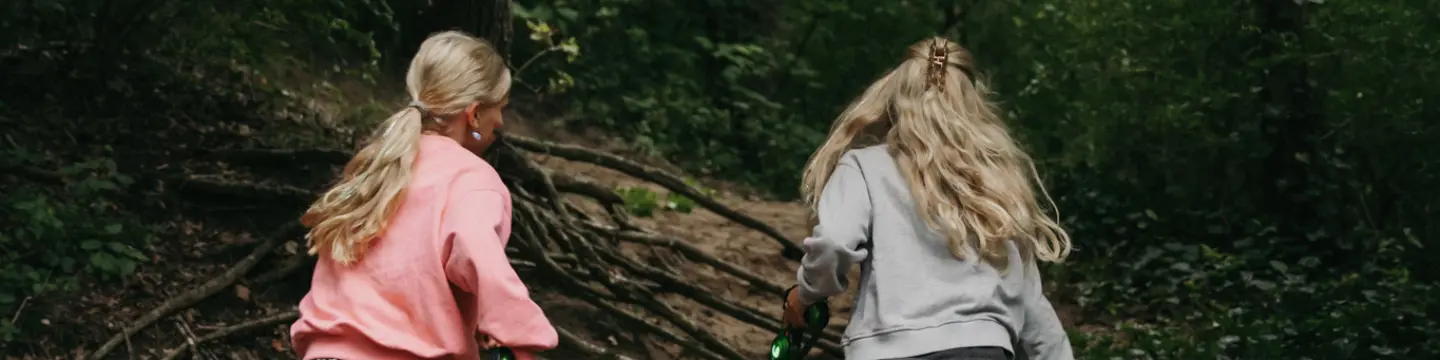
The dunes and the forest together form a varied play environment where children can freely explore, move, and experiment. The open landscape, the contrast between sand and greenery, and the abundance of natural materials invite spontaneous play. These activities are simple, relaxed, and suitable for a wide range of ages, requiring no preparation or additional materials.
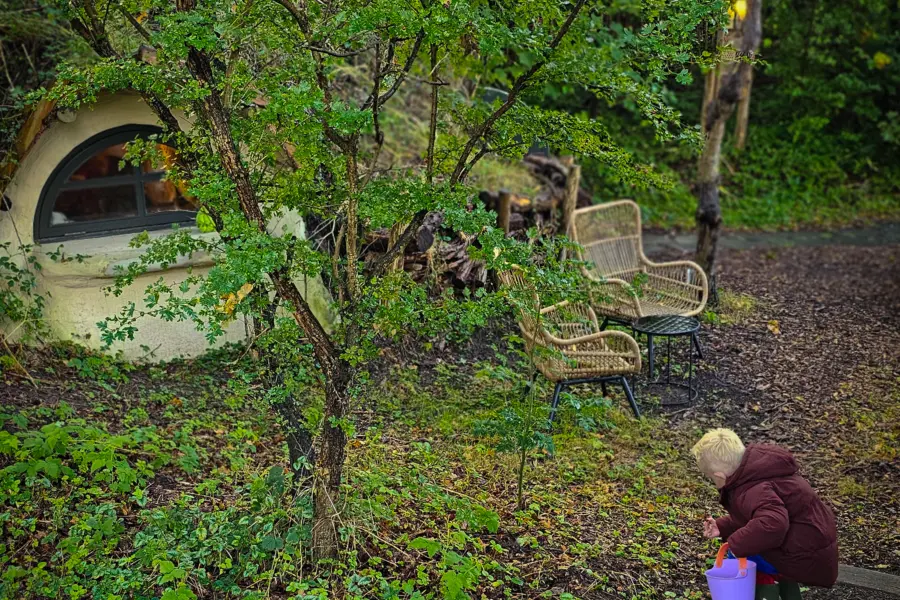
What are nature activities for children?
Nature activities are playful tasks or forms of free play that use materials and sensory stimuli from the natural environment, such as sand, sticks, leaves, water, and wind. They encourage children to explore, move, and experiment without fixed rules or prescribed materials. Unlike organized activities, nature activities are rooted in free play, where children decide for themselves how the play develops.
Activities in the Dunes
Dune landscapes offer children a play environment that is constantly changing. Wind, sand, and differences in height create new shapes and patterns that invite exploration. The open space allows children to run freely, climb, and experiment with materials they encounter along the way. The activities below fit well with the natural dynamics of the dunes.
- 1. Tracking in sand and drifting dunes
In the dunes, tracks are often clearly visible. Children can follow footprints, recognize bird tracks, or observe how the wind has shaped patterns in the sand. This encourages careful observation, comparison, and reasoning. Small insects or animals may also leave traces that children can try to identify. - 2. Water and sand play
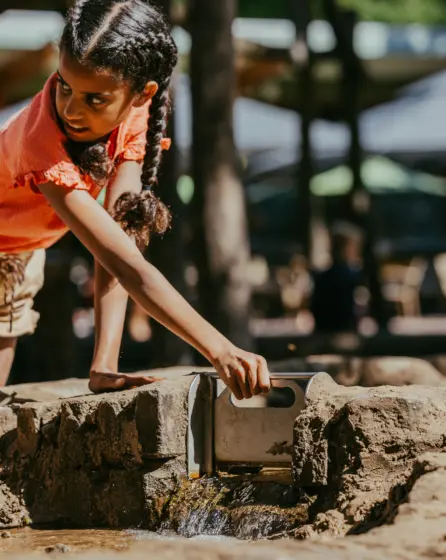
Sand and water together form an ideal combination for play. Children can dig channels, build small dams, or let tiny rivers flow. By experimenting, they immediately see what happens when sand washes away, collapses, or becomes more compact. This helps them understand cause and effect while keeping the play open and creative. - 3. Dune rolling game
The slopes of the dunes invite movement. Children can gently roll down, run, or slide. This type of play promotes balance, motor skills, and body awareness. The height differences add excitement, while the soft sand makes it feel safe enough to try new movements. - 4. Wind games
Wind plays a major role in the dunes and inspires playful ideas. Children can watch how grasses and seed heads move, discover which direction the wind is coming from, or let light materials such as dry sand, grass plumes, or small leaves be carried by the wind. Simple wind meters made from sticks or homemade wind vanes make the activity even more fun and educational. - 5. Searching for treasures in the sand
Children can look for natural “treasures” such as unusual stones, shells, pieces of wood, or shapes created by the wind. A simple treasure map with drawings or clues can enhance the game. This activity stimulates imagination and helps children notice patterns and details in the landscape.
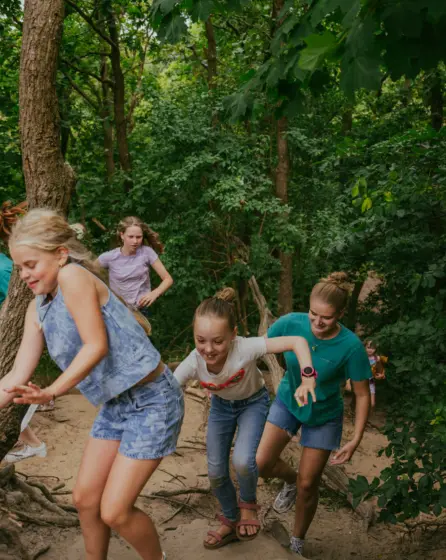
Activities in the Forest
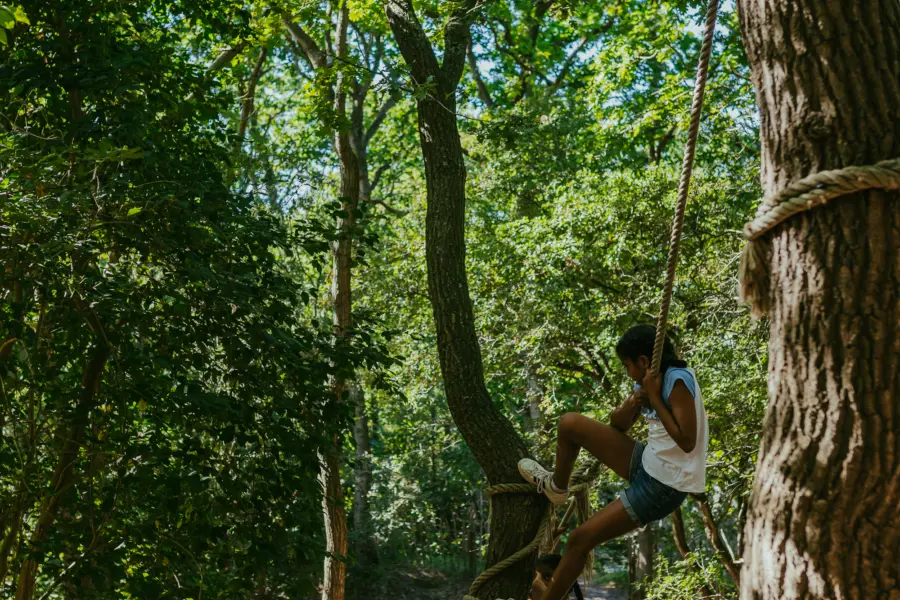
Forests offer children a highly varied play environment: soft patches of moss, sturdy tree trunks, leaves in countless colors and shapes, bark with different textures, and many small animals. The abundance of natural materials makes the forest ideal for exploration, creativity, and sensory play. The activities below are suitable for both younger and older children.
- 6. Mini safari
A forest is full of small ecosystems. Children can search for beetles, snails, woodlice, ants, or birds. By carefully looking under leaves or fallen branches, they discover how animals hide and move. This stimulates observation skills and basic biological understanding, perfect for curious explorers. - 7. Leaf alphabet
Forests provide leaves in countless shapes, colors, and sizes. Children can use them to form letters, create simple words, or make patterns. Sorting leaves by color—from green to yellow and red—also adds a learning element. This activity combines nature experience with language and creativity. - 8. Building a hut in the forest
Building huts is a timeless classic. Using sticks, logs, and leaves, children can create their own shelter. During construction, they learn to cooperate, solve problems, and judge which materials are strong enough. The hut often becomes the setting for imaginative play, extending the adventure even further. - 9. Creating a stick obstacle course
With sticks, logs, and stones, children can design their own obstacle course. Think of stepping stones, balance beams, low obstacles, or routes between trees. This promotes balance, motor skills, and creative movement. The course can be adapted again and again, keeping the play fresh and engaging. - 10. Tree bark exploration
Every tree has unique bark—smooth, rough, grooved, or patterned. Children can feel these textures, compare them, or make drawings of them. By observing closely, they discover differences between tree species and learn how bark protects trees from weather and animals. This is a calm, sensory activity that fits well with inquiry-based learning.
Activities for both dunes and forest
Some forms of nature play work well in almost any landscape. Whether children are playing in the dunes or in the forest, these activities encourage focus, creativity, and calm. They require no preparation and are suitable for a wide range of ages.
- 11. Nature bingo
Nature bingo is an accessible activity in which children search for colors, shapes, or materials from nature, such as a round stone, something soft, something that rustles, a striking pattern, or something that reflects light. Because the environment is always changing, the activity remains engaging in both open sandy areas and dense forests. - 12. Cloud watching & sound game
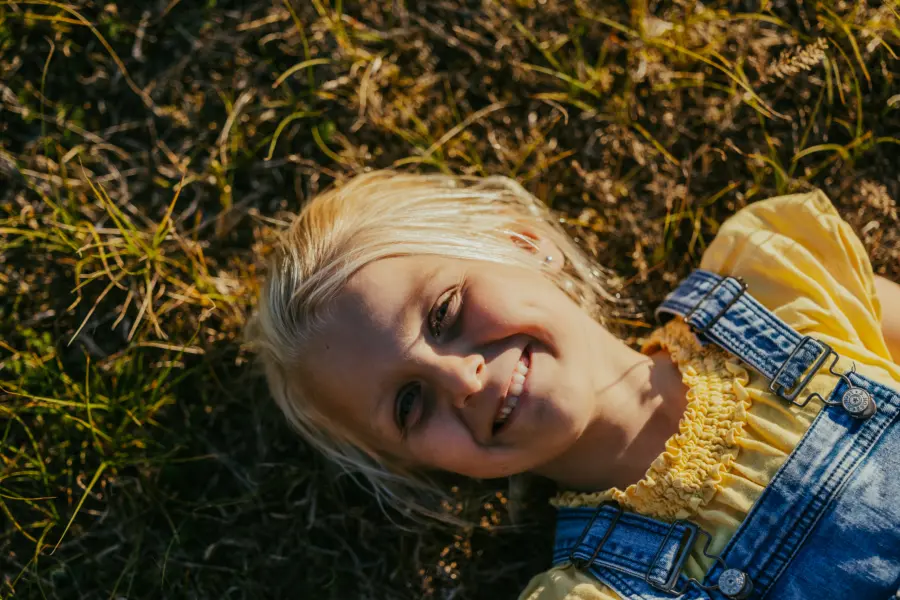
This activity combines relaxation with sensory awareness. In the dunes, children can lie down and watch the clouds, imagining shapes. In the forest, the sound game takes center stage: listening to birds, wind, cracking twigs, or rustling leaves. Both versions promote calm, concentration, and mindful awareness. - 13. Scavenger hunt / treasure hunt
With a simple list of search tasks, children can set off on an independent exploration. Themes might include animals, tracks, colors, or natural shapes. In the sand, they may look for wind patterns, shells, or footprints; in the forest, for leaves, bark textures, or animal tracks. This encourages focused searching and attention to detail. - 14. Photo walk for children
Using a phone or a child-friendly camera, children discover details they might otherwise overlook. They can photograph patterns in the sand, light filtering through trees, colors, animals, or interesting textures. A photo walk adds structure to play and creates a nice balance between nature experience and technology, without distracting from the surroundings. - 15. Quiet moment / dune relaxation time
During a quiet moment, children sit or lie down and focus on what they hear, see, and smell. In the dunes, this often includes the wind, the rustling of grass, and shifting sand. In the forest, they may hear birds, leaves, and subtle movements in the undergrowth. This calming activity strengthens sensory awareness and self-regulation.

Small choices can make nature activities feel freer and more enjoyable for children. The tips below align with the principles of free play:
- Let children set the pace. Activities flow more naturally when you don’t constantly manage time.
- Ask open-ended questions instead of giving instructions, such as “What do you notice here?” or “How could we do this?”
- Use the environment as it is. No extra materials are needed—children naturally find usable elements.
- Join in when invited, but don’t take over the play. This keeps control with the child and supports imagination and autonomy.
- Alternate between active and calm activities, for example a scavenger hunt followed by cloud watching or a quiet moment.
Where can you find areas like this?
For these activities, nature areas with plenty of variety are especially suitable. Think of:
- Dune and forest areas where children can play and explore freely.
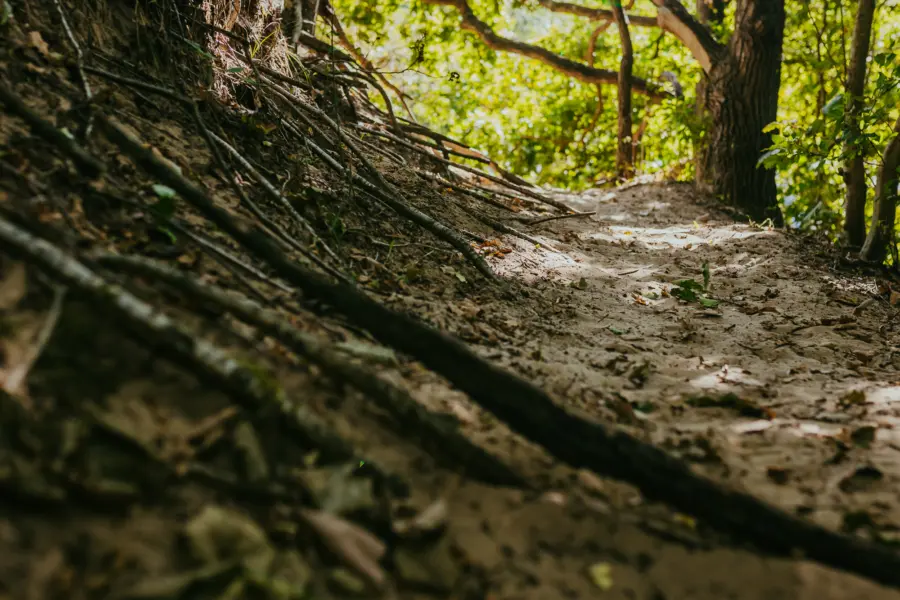
- Areas with natural play features, such as places with fallen trees, climbing logs, sandy patches, or shallow pools of water.
- Child-friendly walking routes and experience trails that help children explore the surroundings in a playful way.
In some dune areas, including places where campsites are located right in nature, these elements come together. There you’ll often find:
- natural play spots,
- experience routes designed especially for children,
- varied landscapes that invite free play.
If you’d like to know which nature play areas, routes, or activities can be found nearby, pages such as What to do, Playgrounds, and Activities provide an overview of options in and around the Geversduin area. The information focuses on nature and helps families find suitable places to play outdoors.
Frequently Asked Questions
Are these activities suitable for all ages?
Most activities can be adapted to age and ability. Younger children tend to enjoy sensory activities like sand play and listening to sounds, while older children often prefer more challenge, such as scavenger hunts, hut building, or photo walks.
Do I need materials for nature play?
No. Most activities in this article use only what nature already provides: sticks, leaves, sand, water, or stones. You may bring a notebook, pencil, or a child-friendly camera if you like, but it isn’t necessary.
How do I make sure children play safely in the dunes or the forest?
Set clear boundaries in advance, such as an area where children should stay and agreed moments when they return. Pay attention to weather, clothing, and hydration. In both dunes and forests, small risks are normal—and they actually help children learn to judge what is safe.
What if my child gets distracted easily or doesn’t know how to start?
A small invitation often works well, such as: “Do you see anything interesting in the sand?” or “What sounds can you hear here?” Avoid giving direct instructions; open-ended questions support free play better.
Can these activities also be done outside holidays or weekends?
Yes. Many activities are short, simple, and work well for an after-school afternoon. Parks, small woodland areas, and recreation areas with sandy spots are also suitable.
What if there are no dunes nearby?
Many activities are “hybrid” and work just as well in woodland, heathland, open fields, or even city parks. The key is that children can use natural materials and sensory stimuli.